Scaling AM from Pilot Projects to Production Cells
The challenges and solutions for factory integration
Introduction
Many companies begin their additive manufacturing journey with one machine tucked in a lab or R&D corner. It’s a good way to test materials, refine designs, and build confidence in the technology. But when the results are promising, the next question comes fast: how do you go from one successful printer to a production setup that runs every day, with consistency and reliability?
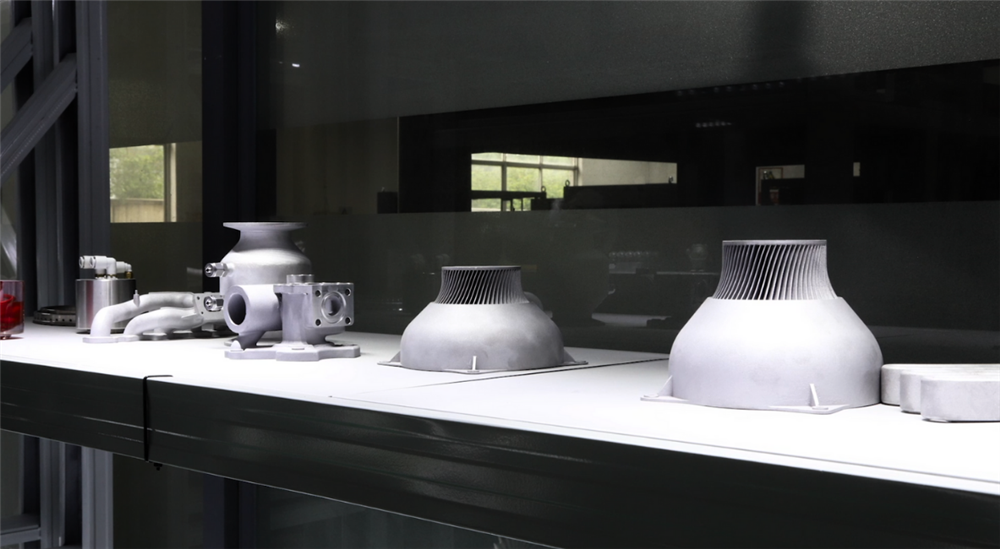
Scaling additive manufacturing isn’t just about buying more printers. It’s about building the right systems around them like the workflows, quality controls, and data infrastructure that make the process repeatable and efficient. When done right, scaling turns 3D printing from an experimental tool into a key part of a company’s manufacturing capability.
From One Printer to a Production Mindset
Running one printer is simple. You can experiment freely, adjust parameters, and check each part by hand. But as soon as you add a few more machines, things change. You need scheduling systems, consistent maintenance routines, material tracking, and quality checks that scale with you.
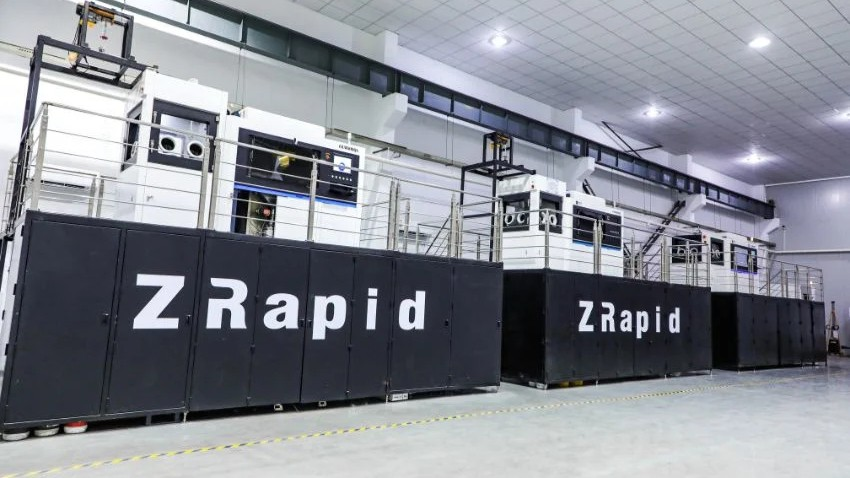
This isn’t a problem, but rather it’s an opportunity. Scaling allows you to distribute jobs more efficiently, build redundancy into your setup, and meet demand faster. What used to be a small lab operation becomes a coordinated production line. Each new printer is not just another tool but part of a bigger, connected system. When several machines are running, coordination becomes key. You want to keep them busy without stepping on each other’s schedules. Centralized job management software helps plan builds, monitor progress, and balance workloads. That’s how you prevent idle time and keep output predictable.
Automation plays a big role here too. Simple things like automated powder sieving, part removal, or post-processing reduce variability and make production more consistent. They also free up people to focus on tasks that really need attention, like quality control and process optimization.
And speaking of quality: when you scale up, quality monitoring becomes your best friend. Systems that track melt pool behavior, layer imaging, or gas flow inside the chamber help you catch issues early. This data-driven approach means every part meets the same standard, no matter which printer produced it.
Example: Scaling Smartly with Multi-Laser Systems
Sometimes scaling isn’t about adding more printers; it’s about using more capable ones, in combination with the ones you have currently. Machines like the ZRapid iSLM600QN Ultimate are built for this purpose. It uses four synchronized lasers in one large build chamber, each working on different parts of the layer to speed up production. The result is higher throughput without needing four separate operators or setups.
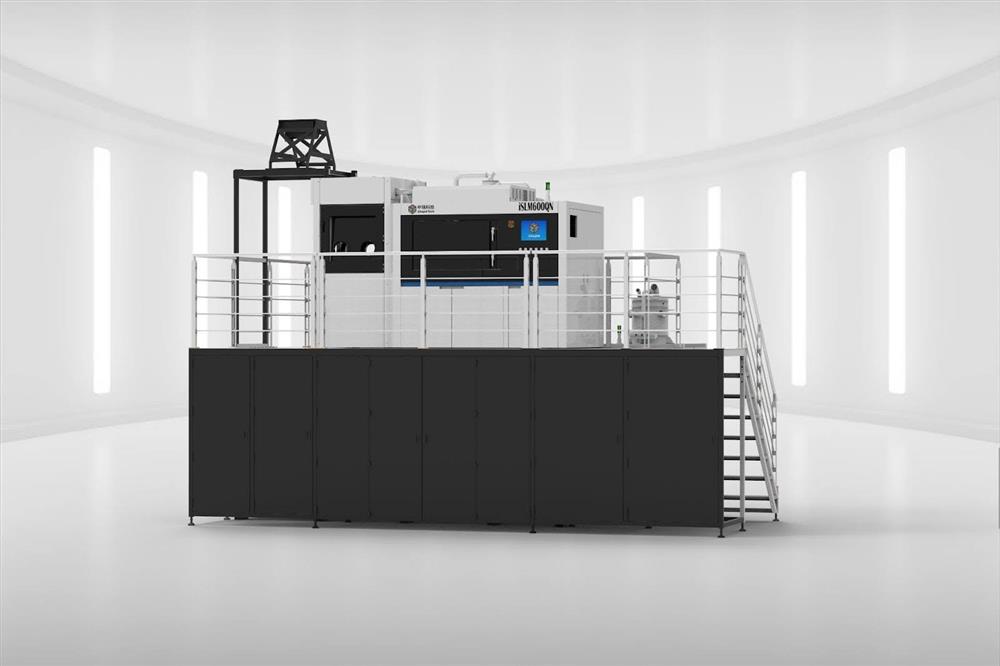
The system’s gas recirculation and filtration design also maintains a clean, stable build environment, which means fewer defects and more consistent parts. It’s a good example of how thoughtful machine design helps manufacturers grow without overcomplicating operations.
Scaling Isn’t Just About Bigger Machines
It’s tempting to think that one huge printer can do the work of several smaller ones, but that’s not always true. Having a few medium-sized machines can actually be more flexible. If one needs maintenance, production keeps going. You can run different materials or part types at the same time, and smaller jobs don’t have to wait for a large build to finish.
The real success comes from standardization and discipline: consistent calibration, maintenance, and material handling across all machines. The smoother your systems, the easier it becomes to expand. Hardware alone won’t guarantee good results; process control will.
Building a Scalable Growth Path
Successful scaling doesn’t happen by accident. It’s about planning every step: capacity, material logistics, post-processing, training, and quality assurance. Start small, validate each process, and grow in controlled steps. Introduce automation and data monitoring where it adds real value.
Think about your facility layout early: power, ventilation, material storage, and workflow should all support growth. Document your settings, monitor your results, and continuously improve. When every part of the process is understood and repeatable, adding more machines is simply a matter of space and budget.
Conclusion
Scaling additive manufacturing isn’t just about expanding, but it’s about maturing. With the right planning, monitoring, and automation, what started as a single R&D machine can evolve into a dependable production cell.
Multi-laser systems like the ZRapid iSLM600QN Ultimate show how much performance can be gained from well-engineered machines, but the real advantage lies in how everything works together: the printers, the people, and the processes. When that ecosystem is in place, additive manufacturing becomes not just viable for production: it becomes essential.
Contact us, and our expert team will help you find the best solution tailored to your needs!
Email: info@anima.eu
Contact number: +30 210 77 76 822